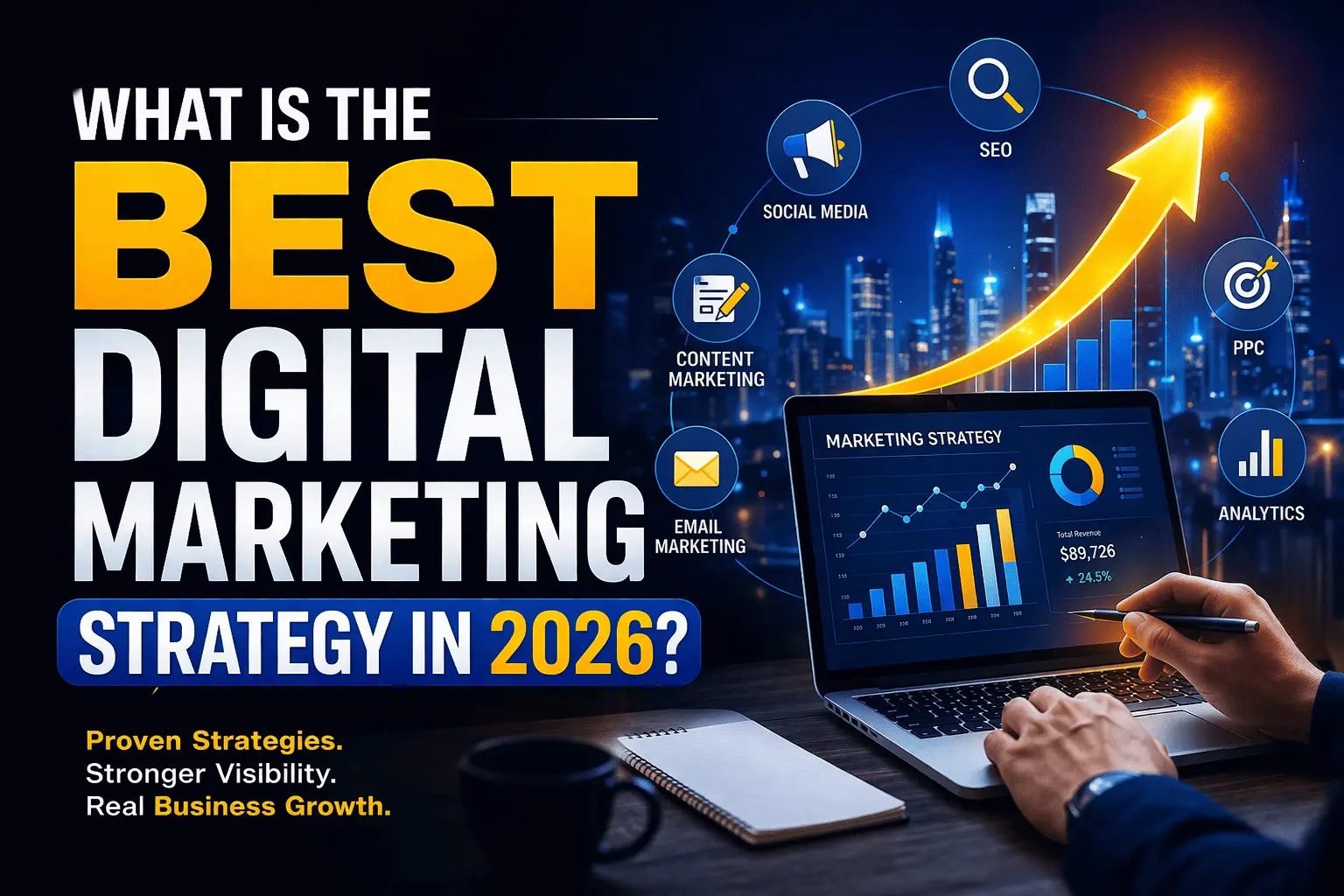
A digital marketing strategy is a structured plan that explains how a business will use digital channels to reach its target audience and achieve its marketing goals. These goals may include increasing website traffic, building brand awareness, generating leads, improving conversion rates, or encouraging repeat business.
In simple terms, a strategy gives direction to online marketing efforts. Instead of posting content randomly or running ads without a purpose, a business follows a clear path based on audience needs, business objectives, and measurable outcomes.
A good digital marketing strategy answers questions like:
- Who is the target audience?
- What problems are they trying to solve?
- Which digital channels should the business prioritize?
- What content or messaging will attract and convert them?
- How will results be tracked and improved?
Without a strategy, digital marketing can feel disconnected. With one, every effort becomes more focused and effective.
Why Digital Marketing Strategy Is Important
Traditional advertising can still help with awareness, but digital marketing gives businesses something much more valuable: precision and measurement. Businesses can now reach people based on their interests, location, online behavior, and search intent. They can also track what is working and improve campaigns over time.
An effective digital marketing strategy helps businesses:
- reach a more targeted audience
- use marketing budgets more efficiently
- improve online visibility
- generate qualified leads
- increase conversions
- build customer trust
- support customer retention
This is especially important for local and service-based businesses. Customers often search online before contacting a company. They compare websites, read reviews, check social media profiles, and look for signs of trust. If a business has no clear digital presence, it may lose potential customers before they even make contact.
The Core Elements of an Effective Digital Marketing Strategy
1. Clear business goals
Every strong strategy begins with clear goals. These goals should be tied to real business outcomes such as traffic growth, lead generation, bookings, or customer retention.
For example, a cleaning business may want to:
- Increase organic traffic from local searches
- Improve quote requests from service pages
- Get more calls through Google Business Profile
- Bring back past customers with email offers
When goals are clear, marketing becomes easier to plan and measure.
2. Target audience and customer intent
Businesses cannot market effectively if they do not understand who they are trying to reach. A good strategy begins with defining the target audience and learning what they are looking for online.
This includes understanding:
- demographics
- location
- search behavior
- pain points
- service needs
- buying intent
A strategy is effective in which your target audience and location play an important role in attracting customers, and it’s vital for growth; otherwise, it leads to failure.
3. Search Engine Optimization (SEO)
SEO is one of the most valuable long-term digital marketing channels because it helps businesses appear in search engine results when potential customers are actively looking for their services.
For service-based businesses, SEO should focus on:
- Optimizing service pages for main keywords
- Targeting local search terms
- Improving page headings and structure
- Building internal links
- Publishing helpful blog content
- Improving site speed and mobile usability
- Adding trust signals such as reviews and testimonials
A website that ranks well for relevant keywords can generate steady, high-intent traffic without relying only on paid advertising.
4. Local search marketing
For local businesses, local SEO is a major part of a digital marketing strategy. This includes:
- optimizing Google Business Profile
- building location-specific service pages
- collecting customer reviews
- using local keywords
- keeping contact information consistent across platforms
A strong local search presence can make a big difference in calls, inquiries, and bookings.
5. Content marketing
Content marketing helps businesses build trust by answering real customer questions and providing useful information. It also supports SEO by helping websites rank for relevant search terms.
For a cleaning business, useful content topics may include:
- How often should a house be professionally cleaned
- What is included in deep cleaning
- Move-in and move-out cleaning checklists
- Benefits of recurring cleaning
- Seasonal home cleaning tips
Helpful content not only attracts visitors but also positions the brand as trustworthy and knowledgeable.
6. Pay-Per-Click Advertising (PPC)
PPC advertising enables businesses to reach potential customers quickly through platforms like Google Ads and Meta Ads. While SEO is important for long-term growth, paid ads can deliver faster visibility and immediate leads.
For local service businesses, PPC can support:
- high-intent keyword targeting
- seasonal service promotions
- retargeting website visitors
- generating leads in competitive service areas
A balanced strategy often uses both SEO and PPC rather than relying on a single channel.
7. Email marketing and lead nurturing
Not every visitor becomes a customer on the first visit. Email marketing helps businesses stay in touch with prospects and past customers through useful updates, offers, reminders, and follow-ups.
For any business, email can be used for:
- repeat service reminders
- special offers
- seasonal promotions
- follow-up after quote requests
- customer retention campaigns
This is especially useful for businesses that want to increase repeat bookings and long-term customer value.
8. Social media marketing
Social media marketing helps businesses build visibility, trust, and engagement. While it may not always generate instant conversions, it supports brand image and customer confidence.
A service business can use social media for:
- before-and-after visuals
- customer testimonials
- service tips
- behind-the-scenes content
- short educational videos
- seasonal reminders
The key is to stay helpful and consistent rather than overly promotional.
Digital Marketing Strategy for Local Service Businesses
A digital marketing strategy for local service businesses should focus on one main goal: getting found by nearby customers who are already searching for help. Unlike large national brands, local businesses do not need traffic from everywhere. They need qualified local leads that can turn into calls, bookings, and repeat customers.
For businesses such as cleaning companies, plumbers, electricians, landscapers, or repair services, digital marketing works best when it is built around local visibility, trust, and conversion. That means showing up in the right places at the right time and making it easy for customers to choose the business.
Focus on local SEO first
Local SEO is one of the most important parts of a strong digital marketing strategy for service businesses. When people search for services in their area, they often use terms with strong buying intent, such as “house cleaning near me” or “office cleaning in Calgary.” Ranking for these searches can bring in highly relevant traffic.
A local service business should focus on:
- Optimizing service pages for local keywords
- Creating location-based pages where relevant
- Improving Google Business Profile
- Collecting genuine customer reviews
- Keeping business details consistent
- Using local keywords naturally in content
This means targeting the actual areas the business serves and creating pages that clearly explain each cleaning service for those locations.
Build trust before asking for the booking
Local customers usually compare multiple businesses before choosing one. That is why trust signals are so important. A business may get traffic, but without credibility, it may still lose conversions.
Important trust signals include:
- Strong customer reviews
- Clear service descriptions
- Before-and-after results
- Visible contact information
- A clean and mobile-friendly website
- Simple booking or quote forms
For local service businesses, trust often matters just as much as visibility.
Use content to answer real customer questions
Local businesses do not need random blog posts. They need content that answers questions real customers already have.
Examples include:
- How often to schedule professional cleaning
- What to expect from a deep cleaning service
- How to prepare for a cleaning appointment
- The difference between regular cleaning and move-out cleaning
- Why recurring cleaning saves time
This type of content helps bring in search traffic while also building trust and authority.
Combine SEO with paid advertising when needed
SEO is excellent for long-term growth, but paid advertising can help local service businesses bring in leads faster. Google Ads can capture high-intent searchers, while social ads can increase brand awareness and remarketing reach.
A local service business may use:
- SEO for long-term rankings
- Google Ads for faster lead generation
- Remarketing ads to re-engage visitors
- Social media for trust and visibility
The best results often come from combining these efforts rather than relying on a single tactic.
Track real lead actions
A local digital marketing strategy should always focus on real business results, not just vanity metrics. Businesses should track things like:
- Phone calls
- Contact form submissions
- Quote requests
- Bookings
- Repeat customers
- Cost per lead
This helps show which marketing channels are driving actual growth.
How to Build a Digital Marketing Strategy Step by Step
An effective strategy often follows a simple process: review the current situation, define priorities, then take action.
Step 1: Audit current performance
Start by reviewing:
- Current website traffic
- Top traffic sources
- Keyword rankings
- Best-performing pages
- Conversion rates
- Weak points in the funnel
Step 2: Set priorities
Decide:
- Which audience to focus on first
- Which services are most profitable
- Which digital channels deserve more attention
- What content gaps need to be filled
Step 3: Create an action plan
A focused action plan may include:
- Optimizing key service pages
- Publishing blog content around customer questions
- Improving local search visibility
- Running PPC campaigns for priority services
- Refining calls-to-action on important pages
- Measuring results monthly
This is where strategy becomes practical and measurable.
The Role of AI in Modern Digital Marketing Strategy
AI is now part of modern marketing workflows, but it works best as a support tool rather than a replacement for strategy. Businesses can use AI to help with:
- Keyword clustering
- Content ideas
- Email drafts
- Ad copy testing
- Reporting summaries
However, human input is still essential. Strategy, trust, customer understanding, and brand voice require real business insight. That is especially true for local service businesses where credibility and quality matter.
Conclusion
A strong digital marketing strategy helps businesses move with purpose instead of guesswork. It connects goals with channels, audience needs with content, and traffic with conversions. When done well, it improves visibility, builds trust, and supports long-term growth.
The best approach is to focus on what matters most: local SEO, useful content, trust-building signals, conversion-focused service pages, and consistent follow-up. When these pieces work together, digital marketing becomes more than promotion. It becomes a real growth system for the business.